Cedar Fence Sealing in Kansas City, KS
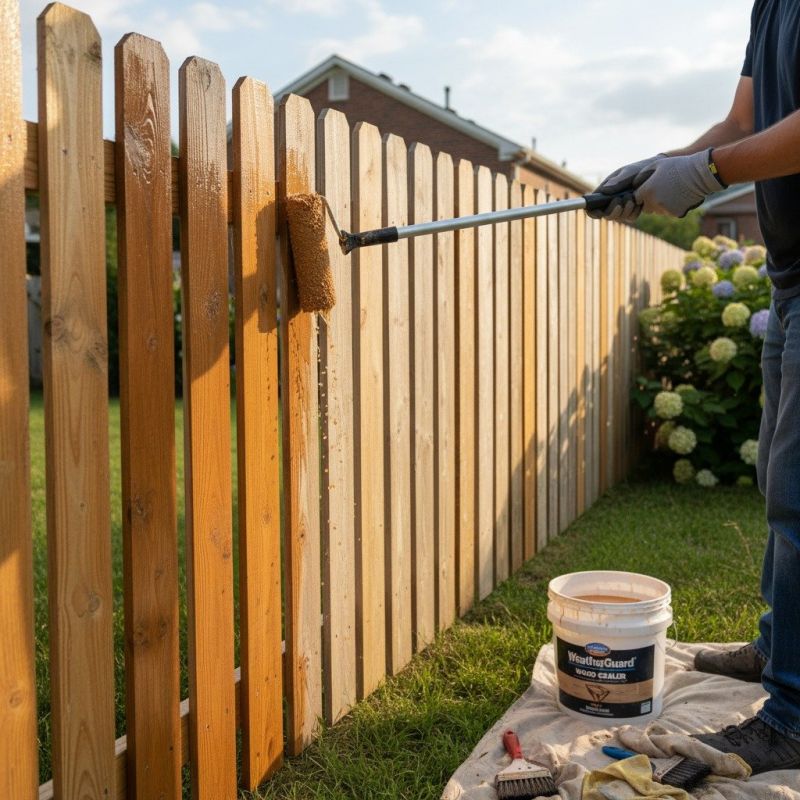
Cedar fence sealing services involve applying a protective coating to cedar fences to help preserve their appearance and integrity. This process is suitable for various projects, including residential backyard fences, decorative garden enclosures, and boundary barriers. Sealing helps prevent damage from moisture, UV rays, and general wear, extending the lifespan of the wood and maintaining its natural beauty. Homeowners typically want to understand the type of sealant used, the benefits of sealing, and how often the fence should be resealed to keep it in optimal condition.
Before requesting cedar fence sealing, property owners often consider the current condition of their fence, including signs of weathering or damage. They may also want to know about the best timing for sealing, such as during dry seasons, and any preparation steps needed beforehand. Additionally, understanding the differences between sealant options-such as transparent, semi-transparent, or tinted finishes-can help homeowners choose the right look and level of protection for their fencing project.
Many property owners in Kansas City, KS look into Cedar Fence Sealing for repairs, replacements, upgrades, and appearance-related improvements.
Benefits Of Fence Sealing
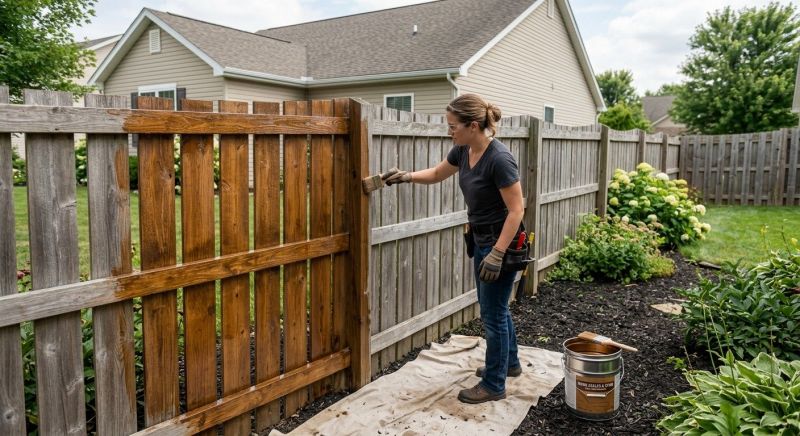
Sealing helps protect cedar fences from moisture, rot, and uv damage, extending their lifespan.
Maintenance And Care
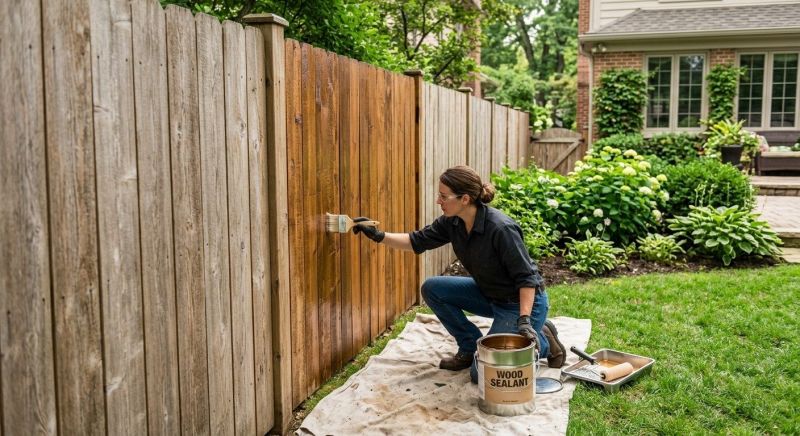
Regular sealing maintains the appearance and durability of cedar fences in kansas city, ks.
Sealing Process Overview
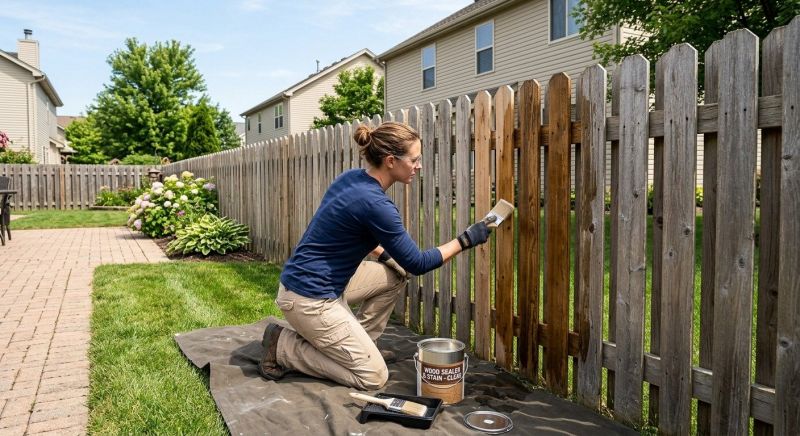
The process involves cleaning, prepping, and applying a protective sealant to preserve cedar fencing.
Cedar Fence Sealing in Kansas City, KS
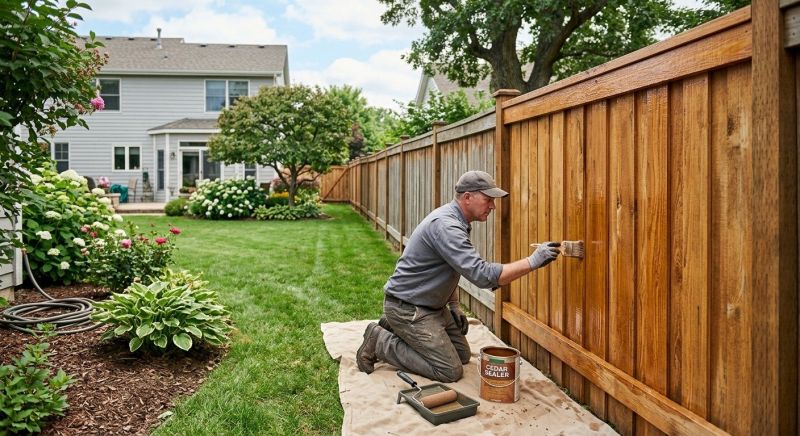
Cedar fence sealing services involve applying a protective coating to cedar fences to help preserve their appearance and integrity. This process is suitable for various projects, including residential backyard fences, decorative garden enclosures, and boundary barriers. Sealing helps prevent damage from moisture, UV rays, and general wear, extending the lifespan of the wood and maintaining its natural beauty. Homeowners typically want to understand the type of sealant used, the benefits of sealing, and how often the fence should be resealed to keep it in optimal condition.
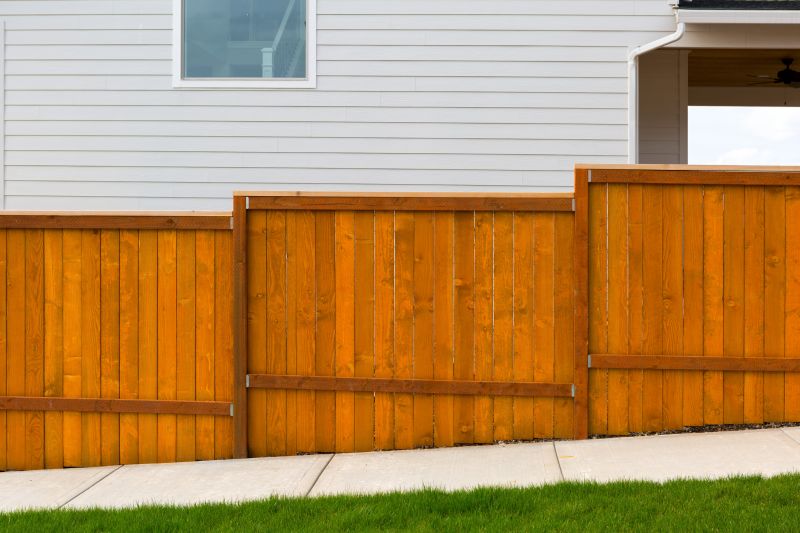
Before requesting cedar fence sealing, property owners often consider the current condition of their fence, including signs of weathering or damage. They may also want to know about the best timing for sealing, such as during dry seasons, and any preparation steps needed beforehand. Additionally, understanding the differences between sealant options-such as transparent, semi-transparent, or tinted finishes-can help homeowners choose the right look and level of protection for their fencing project.
Many property owners in Kansas City, KS look into Cedar Fence Sealing for repairs, replacements, upgrades, and appearance-related improvements.
Common Cedar Fence Sealing Jobs
Cedar Fence Sealing - Protects cedar fences from moisture and UV damage.
Fence Maintenance - Extends the lifespan of cedar fencing through proper sealing.
Weatherproofing - Shields cedar fences from rain, snow, and harsh weather conditions.
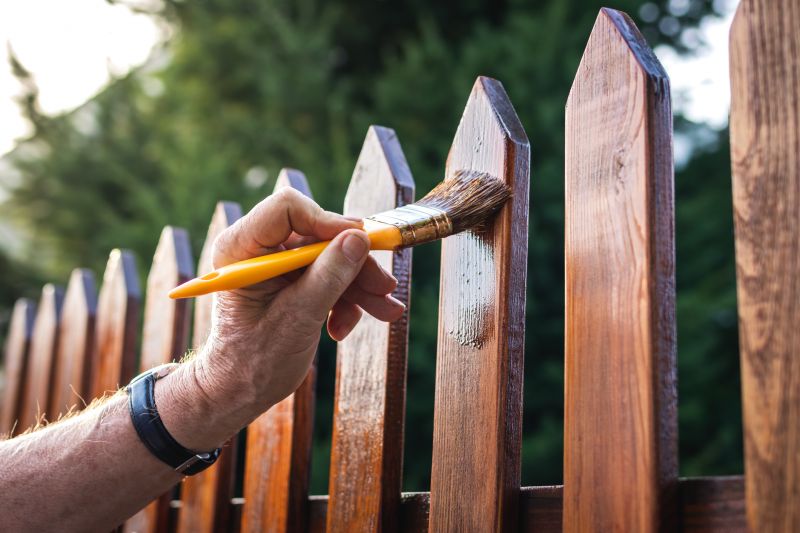
Stain and Seal - Enhances appearance while preventing wood decay and warping.
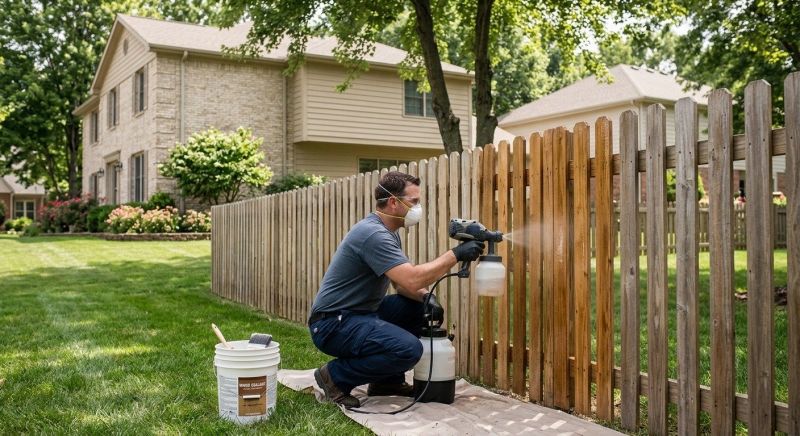
Surface Preparation - Ensures effective sealing by cleaning and sanding the fence beforehand.
Routine Sealing - Helps maintain cedar fences in optimal condition over time.
Cedar Fence Sealing Questions
What is cedar fence sealing? Cedar fence sealing involves applying a protective coating to help preserve the wood and enhance its appearance.
Why should a cedar fence be sealed? Sealing helps prevent damage from moisture, UV rays, and pests, extending the life of the fence.
How often should cedar fences be sealed? It is recommended to seal cedar fences every 1 to 3 years, depending on weather exposure and fence condition.
What types of sealers are used on cedar fences? Clear, semi-transparent, and tinted sealers are common choices to protect and enhance cedar wood.
Request Cedar Fence Sealing in Kansas City, KS
Use the quote form on this page to share the basics of your project and request more information for the type of work you need.